
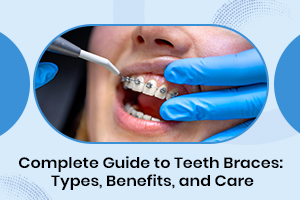
Have you ever stared at yourself in the mirror and thought that maybe your teeth could be a little bit straighter? Well, you are in good company.
A lot of individuals, ranging from teenagers to grown-ups, consider braces at one time or another in their lives. Whether it’s for cosmetic reasons or to fix an uneven bite, braces can truly be life-changing.
This guide walks you through everything you need to know, including what braces actually are, their types, the benefits they bring, and how to care for them properly once you have them on.
What Are Teeth Braces?
Teeth Braces are orthodontic devices that gradually push your teeth into the right position. They exert a constant force over a certain period, allowing the bone surrounding your teeth to get used to the new position.
Braces are not only meant for misaligned teeth; they fix bite issues, overcrowding, and even aid speech or chewing improvement. In a nutshell, braces are a combination of a health investment and a confidence boost.
Types of Teeth Braces
There’s no one-size-fits-all when it comes to braces. The type you choose depends on your needs, lifestyle, and comfort level.
Let’s look at some of the most common ones your orthodontist might recommend:
- Traditional Metal Braces
These are the most recognized types of teeth braces and have been around for decades. They are made from high-grade stainless steel, which makes them durable and reliable. They are reliable for treating even the most complex cases of misalignment.
Today’s braces are not only much more aesthetically pleasing but also more comfortable than the old-fashioned ones you might remember from years ago. They consist of small brackets and thin wires that exert gentle and constant pressure on the teeth to move them. The duration of treatment is usually 18 months to 3 years, depending on the degree of correction required.
Moreover, they are the most cost-effective solution, which explains why they are usually the first choice of both young and adult patients who are not put off by the metallic appearance and are after trustworthy results instead.
- Ceramic (Tooth-Colored) Braces
These teeth braces function the same as metal brackets but are less noticeable due to their tooth-colored or transparent brackets. In case you want something less visible but do not want to switch to clear aligners, then they are a great choice.
On the downside, ceramic braces are a little more fragile. You will need to pay a little bit more attention to the food and drinks that you eat or drink, as dark-colored foods and drinks, such as coffee or curry, can result in slight discoloration over a period of time.
They can cost a little more than metal braces, and treatment time is generally similar to metal braces, around 18 to 36 months. Still, for many, the subtle look is worth the investment.
- Lingual Braces
Unlike traditional braces that sit on the front, lingual braces are attached behind your teeth. That means they’re hidden when you smile.
They’re great for those who want a discreet treatment, though they might take some getting used to in the beginning.
- Clear Aligners
Invisalign is what falls under this category if you have already heard of it. These removable trays are custom-made to fit snugly over the teeth and gradually move them into the desired place over a given period.
The major advantage is that you can remove them during meals, oral care, or special events. This translates into no restrictions on foods and much less hassle with oral hygiene when compared to braces.
Typically, clear aligners generally require wearing them for about 20–22 hours a day to work properly. They are ideal for slight to moderate alignment issues and often take about a year to a year and a half to bring about changes.
These types of aligners can be pricier than metal braces, but for many adults, the convenience and nearly invisible look make them worth every penny.
- Other Orthodontic Options
Sometimes, your dentist might suggest expanders or retainers alongside braces.
Expanders provide more room in crowded mouths and retainers prevent tooth movement after the removal of the braces. Both are equally important in creating a long-lasting result.
How Braces Actually Work
Braces don’t just magically move your teeth overnight. They work through a gradual process, as stated below:
- Your orthodontist attaches metal brackets to your teeth and then uses a wire to link them.
- The wire exerts a gentle and steady force that gradually leads your teeth towards the desired position.
- Continuous visits allow adjustments to keep the whole process moving smoothly.
This process can take anywhere from several months to a few years, depending on your specific needs. But with patience and care, the results are always worth it.
8 Practical Benefits of Teeth Braces
Getting braces isn’t just about having a straight smile. The benefits go much deeper.
1. Better Bite and Chewing
The natural chewing process becomes much easier and more effective when the teeth are positioned correctly. You’ll notice fewer digestive issues and less discomfort while eating.
2. Improved Speech
At times, misaligned teeth interfere with pronunciation. Teeth straightening gives more room for the tongue to move more freely. And that, in turn, makes speech clearer and smoother.
3. Easier to Clean Teeth
The hallmark of straightened teeth is that there are no spots where plaque and food can hide. As soon as the braces come off, brushing and flossing become so much easier that you can even maintain super healthy gums and teeth for life.
4. Prevents Future Wear
In the case of crooked or misaligned teeth, some of them will always be rubbing against each other unevenly, thus quickly losing their surfaces. Braces restore this alignment and ensure that the enamel remains untouched.
5. Boosted Confidence
You can’t help but feel good when you smile without covering your teeth. This new confidence is usually so great that it can be felt in all areas of your life.
6. Reduces Jaw Discomfort
Misalignment sometimes leads to jaw pain or headaches. Properly aligned teeth can ease that strain and improve your comfort while chewing or talking.
7. Long-Term Savings
Fixing issues now prevents bigger dental problems later. Straight teeth mean fewer cavities, less grinding, and potentially fewer expensive dental treatments in the future.
8. Tailored to You
There is a wide range of dental solutions available from metal braces to clear aligners. Your orthodontist will guide you in selecting the ideal solution that fits your lifestyle and goals.
Taking Care of Braces: The Do’s
Good oral hygiene makes all the difference during treatment. Here’s how to keep everything in check.
- Brush After Every Meal: Food easily gets trapped around brackets and wires. Use a soft toothbrush and fluoride toothpaste to keep everything clean.
- Floss Regularly: Flossing can feel tricky at first, but tools like floss threaders or water flossers make it easier to get between the wires.
- Avoid Hard and Sticky Foods: Refrain from consuming nuts, caramel, and popcorn. These can damage the wires or pull the brackets loose.
- Keep Up With Appointments: Regular adjustments are key to your progress. Skipping them might delay your treatment time.
- Follow Instructions Carefully: If you’re given elastics or aligners, wear them exactly as told. Consistency is what ensures the best results.
Common Don’ts of Braces Care
A few habits can easily undo your hard work, so it’s best to steer clear of them.
- Don’t use sharp tools to remove stuck food.
- Avoid whitening toothpastes or bleach-based products — they can discolour areas around brackets.
- Don’t play with wires or try to fix anything on your own.
- Avoid very hot drinks that can warp aligners or wires.
- And once your braces are off, don’t skip your retainer! It keeps your teeth from shifting back.
How Long Does the Treatment Take?
On average, braces treatment takes anywhere from 12 months to 3 years. The duration depends on how much correction your teeth need. Regular follow-ups and good hygiene can keep your treatment on track.
Cost and Practical Considerations
Braces are an investment in both health and appearance. Costs vary depending on the type of braces and the complexity of your case.
It’s always best to discuss payment plans or financing options with your dental clinic. Think of it as a long-term step toward better oral health and confidence.
When to Visit an Orthodontist?
If you notice crowding, gaps, jaw pain, or frequent biting discomfort, it’s time to see a professional. These are often early signs that your teeth or bite may not be aligned correctly.
Sometimes, the changes are subtle, like maybe your jaw clicks when you chew, or you’ve started noticing uneven wear on certain teeth. Even mild discomfort that comes and goes can indicate the need for a quick orthodontic check.
Early intervention, especially for children, can prevent more complicated issues later on. The earlier these problems are caught, the easier and faster they are to correct.
For adults too, visiting an orthodontist at the first sign of concern can save time, effort, and unnecessary discomfort in the long run.
How Can Pleasant Dental Help You?
Pleasant Dental has seasoned orthodontic experts who turn the whole process into a comfortable experience.
It doesn’t matter if you are leaning towards the classic metal brackets or Invisalign; you will be guided to by our staff through all the stages, starting with the initial consultation and finishing with your follow-up care.
Our main goal is to provide individualized treatment and comfort, which means your way to a confident smile will be quick and hassle-free.
Quick Tips to Remember
- Brush and floss daily.
- Avoid sticky or crunchy foods.
- Keep up with regular checkups.
- Always wear retainers after treatment.
Small habits make a big difference in how successful and smooth your braces journey will be.
Frequently Asked Questions
1. Do braces hurt?
You might feel mild discomfort when they’re first placed or tightened, but it usually fades in a few days.
2. Can adults get braces?
Absolutely. Age is no barrier to achieving a healthy, aligned smile.
3. How often do I need to visit the dentist?
Usually, every 4 to 8 weeks for adjustments, depending on your treatment plan.
4. Are clear aligners as effective as braces?
Yes, for many mild to moderate alignment issues, they work just as well when worn properly.
5. What should I do if a wire breaks?
Don’t panic. Call your orthodontist right away for a quick fix and avoid touching it until your visit.
Conclusion
Getting braces isn’t just about how you look—it’s about feeling better, being healthier, and feeling more confident in yourself. Sure, it takes time, but you’re working toward a smile you’ll actually be proud of.
If you’ve been thinking about braces, why not book an appointment with Pleasant Dental? Our team is really approachable and will work with you to figure out what treatment makes sense for your situation and lifestyle.
You might be closer to that confident, healthy smile than you realize.