
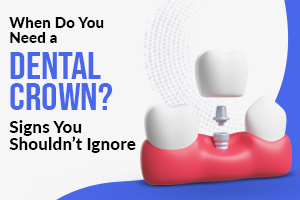
You’re not the only person who has ever questioned if a tooth requires more than just a filling. Many people put off receiving the treatment they require because they are unsure whether a dental crown is necessary. We, at Pleasant Dental in Euless, Texas, believe that knowing the common indicators can help you safeguard your oral health before minor issues become major ones.
One of the most popular restorative procedures in dentistry is dental crowns. When a tooth’s natural structure deteriorates, it is made to “cap” it, restoring its strength, functionality, and look.
Let’s break down when you might need a dental crown and the warning signs.
What Are Dental Crowns?
Dental crowns are robust and precisely made repairs that cover a tooth that is weak or broken. Think of them as a protective cap that :
- restores the ability to chew
- makes a weak tooth stronger
- enhances appearance
- helps keep a tooth safe after certain treatments, such as a root canal.
- supports implants or anchors dental bridges
Porcelain, ceramic, metal, and mixtures of these materials can be used to create crowns. They are made to resemble the colour and shape of your actual teeth. This will give you a long-lasting smile.
Common Signs You May Need a Dental Crown
1. Cracked or Fractured Tooth
When a tooth is cracked or fractured, no matter how small the crack, it is susceptible to further deterioration. This can cause pain while eating. It also causes sensitivity to the inner layers of the tooth and becomes an entry point for bacteria. A crown will protect the tooth and prevent further damage.
Watch for: sensitivity, sharp pain, or visible cracks in a tooth.
2. Severe Decay Too Large for a Filling
Fillings work well for cavities that are modest to moderate. However, a filling by itself could not be strong enough or protective enough when decay has spread to a significant area of the tooth. A crown is frequently the best choice in these situations to completely cover and shield the tooth.
Watch for: deep cavities, black patches on teeth, and soreness or discomfort that persists after eating sweets.
3. Persistent Sensitivity or Pain
A persistent sensitivity to pressure, heat, or cold that doesn’t go away could indicate a problem with the tooth’s protective structure. Teeth that have massive fillings, fractures, or extensive decay may be more sensitive. A crown can lessen discomfort and shield the tooth’s inner layers.
Watch for: discomfort that lasts for days, particularly when eating hot or cold food.
4. You’ve Had a Root Canal
The pulp and nerve inside the tooth are extracted following a root canal. The tooth becomes more fragile and more likely to shatter as a result. In order to preserve the remaining tooth structure and restore complete function, dentists typically advise installing a crown following root canal therapy.
Watch for: a tooth that feels weaker or more brittle following root canal therapy.
5. Large or Failing Fillings
Smaller areas of decay can be repaired by fillings, but big or failed fillings (cracked, leaking, or displaced) might weaken the tooth. Compared to a replacement filling, crowns offer more robust protection and cover the entire visible tooth.
Watch for: Old fillings that feel painful, loose, or abrasive
6. Worn Down Teeth from Grinding (Bruxism)
Grinding your teeth can erode your enamel and alter the form of your bite, especially at night. This may eventually result in teeth that are flattened or broken and cannot function normally. A dental crown restores the tooth’s structure and guards against further damage.
Watch for: headaches, flattened tooth surfaces, jaw pain, or aching teeth when you wake up.
7. Cosmetic Concerns: Discoloration or Misshapen Teeth
Crowns can be utilised for aesthetic enhancements even though they are frequently advised for structural concerns. A crown may be necessary to create a balanced & brighter smile for severely discoloured or malformed teeth that don’t improve with whitening or little restorative procedures.
Watch for: teeth that don’t seem to have the same colour or shape as the teeth around them.
8. Tooth Supporting a Bridge or Implant
Crowns are not limited to natural teeth. They are also crucial for other restorations, such as:
- dental implants, where crowns restore the visible part of the replacement tooth
- bridges, where crowns anchor to neighbouring teeth.
Crowns aid in the restoration of strength, functionality, and attractiveness in these various situations.
When to See Your Dentist
Not all dental problems require crowns. Delaying treatment, however, can make issues worse and result in pain, infection, or even tooth loss.
You should schedule an appointment at Pleasant Dental if you notice:
- Persistent pain or sensitivity
- Tooth chips or cracks
- When chewing, there is pressure or pain
- A big cavity or an ineffective filling
- You have an uneven bite.
- Teeth that appear significantly discoloured or malformed
A dentist will assess your symptoms, obtain X-rays if necessary, and decide if a dental crown is the best course of action.
What to Expect During a Crown Procedure
Usually, receiving a dental crown requires two appointments:
- Preparation: Your dentist will take digital scans or imprints, restructure the tooth, and numb the affected area.
- Crown Placement: When a custom-made crown is complete, it is cemented into position. While some practices use lab-fabricated restorations, others use in-office milling equipment to provide same-day crowns.
After placement, your crowned tooth should feel natural and function comfortably.
Caring for Your Dental Crown
Maintaining proper dental hygiene will extend the life of your crown:
- Floss every day and brush twice a day.
- Steer clear of eating hard items like hard candies or ice.
- If you grind your teeth, put on a night guard.
- Attend routine examinations and cleanings.
Crowns can endure ten to fifteen years or longer with the right maintenance.
Final Thoughts
In order to preserve and repair teeth that are decaying, broken, or structurally impaired, dental crowns are essential. You may get care early and keep your smile intact by identifying the frequent symptoms, which include everything from worn-down enamel and post-root canal fragility to chronic discomfort and cracked teeth.
The staff at Pleasant Dental in Euless, Texas, is available to assist you if you’re exhibiting any of these signs. Time, discomfort, and future need for more extensive dental work can be avoided with early detection and treatment.