
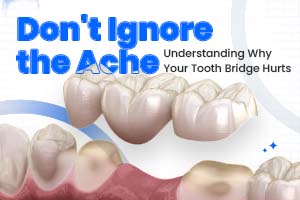
A dental bridge is a reliable and time-tested solution for replacing missing teeth. When functioning correctly, it restores your ability to chew, speak, and smile with confidence. However, experiencing discomfort can be a major cause for concern. If your tooth bridge hurts, it is important to understand that pain is the body’s way of signaling that something requires attention.
At Pleasant Dental in Texas, we believe that informed patients make the best decisions for their oral health. This guide will explore why you might be experiencing dental bridge pain after years of comfort, as well as new bridge sensitivity. Understanding these causes will help you determine when it is time to visit your dentist for an evaluation.
How a Dental Bridge Works
To understand the pain, you first need to understand the structure. A traditional dental bridge consists of two main parts. The abutments are the healthy teeth on either side of the gap that serve as anchors. These teeth are covered with crowns. The pontic is the artificial tooth that sits in the gap and is supported by those crowns.
Because the bridge relies on your natural teeth and gum tissue, any issue with those supporting structures can lead to tooth pain.
Common Reasons for New Dental Bridge Pain
If your bridge was recently placed, some level of discomfort is normal. Your mouth needs time to adjust to the new restoration.
1. High Spots or Bite Misalignment
The most frequent cause of immediate pain is a “high spot.” This occurs when the bridge is slightly taller than your natural teeth. When you bite down, that spot hits first. This puts excessive pressure on the abutment teeth and the jawbone. A simple adjustment by your dentist can usually resolve this issue quickly.
2. Sensitivity to Temperature
The process of preparing the anchor teeth involves removing a small amount of enamel. This can leave the nerves temporarily sensitive. You might feel a sharp zing when drinking cold water or hot coffee. This sensitivity typically fades within a few weeks.
Why You Might Experience Dental Bridge Pain After Years
It is particularly frustrating when a bridge that has been fine for a decade suddenly starts causing trouble. If you are dealing with dental bridge pain after years of use, the cause is usually related to the underlying health of the anchor teeth or the wear and tear of the material.
1. Tooth Decay Under the Bridge
The most common reason for long-term failure is a cavity forming under the dental crown. While the bridge itself is made of porcelain or metal and cannot decay, your natural tooth underneath is still susceptible. Bacteria can seep under the edge of the crown if the cement washes away or if oral hygiene is neglected. Because the decay is hidden, you might not notice it until it reaches the nerve and causes significant tooth pain.
2. Gum Disease (Periodontitis)
Your bridge relies on healthy gums and bone for support. If plaque builds up around the base of the bridge, it can lead to gingivitis or more advanced gum disease. As the gums recede and the bone weakens, the bridge loses its stability. This often manifests as a dull ache or a feeling that the bridge is loose.
3. Nerve Inflammation or Infection
The pressure of holding a bridge can sometimes stress the nerve of an abutment tooth over time. Even if there is no decay, the nerve may become inflamed. This condition is known as pulpitis. If the nerve dies, an abscess can form at the root. This results in throbbing dental bridge pain and may require a root canal performed through the crown.
4. Structural Wear and Tear
Dental bridges are durable, but they are not permanent. Most bridges last between five and fifteen years. Over time, the materials can fracture or the dental cement can degrade. When the seal is broken, the bridge may move slightly. This movement irritates the surrounding tissues and causes discomfort.
Identifying the Source of the Pain
Determining exactly where the pain is coming from can help your dentist diagnose the problem.
- Pain when biting: This often indicates a bite issue or a fracture in the supporting tooth.
- Constant throbbing: This is usually a sign of an infection or a nerve issue.
- Sensitivity to sweets: This is a classic symptom of decay under the crown.
- Swollen gums around the bridge: This points toward gum disease or localized inflammation.
Home Care and Immediate Relief
If your tooth bridge hurts, your first step should be to call your dentist. However, you can manage the discomfort at home until your appointment.
Start by rinsing your mouth with warm salt water. This helps reduce inflammation and keeps the area clean. You can also use over-the-counter pain relievers like ibuprofen or acetaminophen. Avoid chewing hard or crunchy foods on the side of the mouth where the bridge is located.
Do not attempt to “glue” a loose bridge back into place with over-the-counter products. These can damage your natural teeth and make it harder for the dentist to provide a permanent fix.
How Your Dentist Will Treat Bridge Pain
When you visit Pleasant Dental, we will perform a thorough examination. This usually involves digital X-rays to see what is happening beneath the porcelain.
Professional Adjustments
If the issue is a bite misalignment, we can gently reshape the surface of the bridge. This balances your bite and relieves the pressure on the anchor teeth.
Treating Decay
If a cavity has formed, we must remove the bridge to treat the underlying tooth. Once the decay is gone and a new filling or core buildup is placed, a new bridge will be created to ensure a perfect seal.
Root Canal Therapy
If the nerve is infected, a root canal may be necessary. In many cases, we can perform this through the existing crown of the bridge. This saves the bridge and eliminates the source of the infection.
Gum Therapy
If gum disease is the culprit, a deep cleaning known as scaling and root planing may be required. This removes bacteria from beneath the gum line and allows the tissue to heal and tighten around the bridge.
Preventing Future Dental Bridge Pain
The best way to deal with dental bridge pain is to prevent it from starting. Proper maintenance can extend the life of your restoration significantly.
First, you must clean under the pontic. Traditional floss cannot go through the bridge, so you must use a floss threader or an interdental brush. These tools help remove food particles and plaque from the gap between the bridge and the gums.
Second, maintain regular dental checkups. During a professional cleaning, we can spot early signs of wear or marginal leakage before they turn into painful infections.
Finally, if you grind your teeth at night, consider a custom night guard. The immense pressure of grinding can crack the porcelain or loosen the bond of your bridge.
Contact Pleasant Dental Today
You should not have to live with a tooth bridge that hurts. Whether your bridge is brand new or you are experiencing dental bridge pain after years of success, our team is here to help. We prioritize your comfort and use the latest technology to restore your oral health.
If you are experiencing discomfort or have questions about your dental bridge, contact Pleasant Dental in Texas. We will schedule a consultation to identify the cause of your pain and get your smile back on track. Your oral health is our top priority.